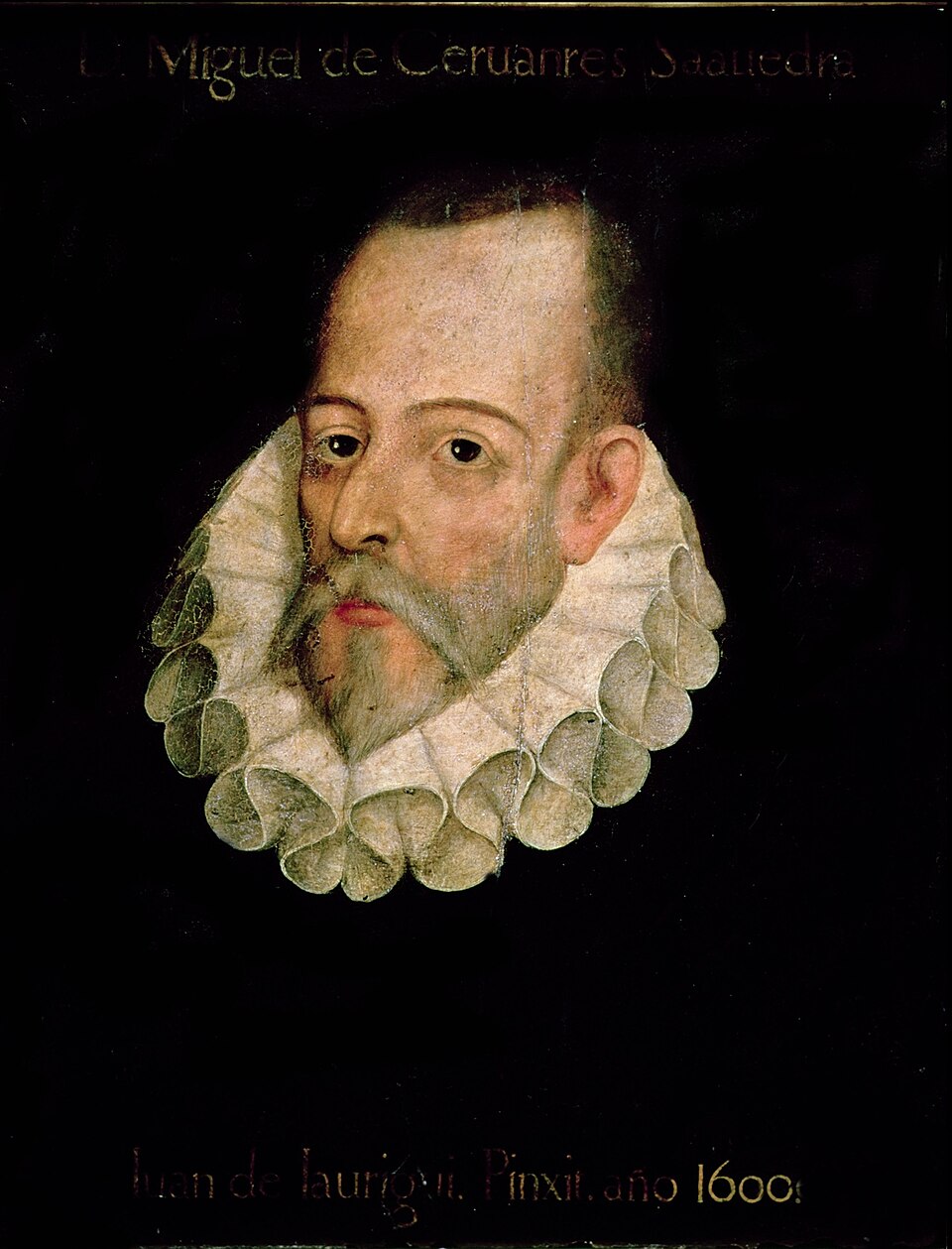
Miguel de Cervantes: From Soldier to Don Quixote's Creator
In the annals of world literature, few names resonate with the enduring power and tragicomic brilliance of Miguel de Cervantes Saavedra. Celebrated as the Schrijver Van Don Quichot, Cervantes was far more than a literary giant; he was a man forged in the crucible of battle, captivity, and relentless adversity. His life story, a dramatic saga of hardship and resilience, mirrors the very themes that make his magnum opus, Don Quixote, timeless. This article delves into the extraordinary journey of the man who, despite a life fraught with challenges, gifted the world one of its most beloved and influential novels.
A Life of Struggle: From Humble Beginnings to Intellectual Curiosity
Born into a financially unstable family, likely on September 29, 1547, in Alcalá de Henares, near Madrid, Miguel de Cervantes was the fourth of seven children. His father, Rodrigo, was a deaf surgeon whose meager income forced the family into frequent relocations, a pattern that would sadly define much of Miguel's adult life. His mother, Leonor de Cortinas, however, hailed from a higher social standing and possessed a rare gift for a woman of her era: she was literate. This cultural upbringing likely planted the seeds of Miguel's own intellectual curiosity and profound love for books, a passion that would later fuel his creative genius.
Details of Cervantes' formal education remain debated among scholars. While some theorize Jesuit schooling, others dispute it, suggesting he never attended university. What is undeniable, however, is his transformation into a fervent reader, absorbing knowledge and stories that would later inform his unique narrative voice. Around 1569, his first known poem, dedicated to the death of Queen Elisabeth of Valois, wife of King Philip II, was published. This early work appeared in a collection by the humanist Juan López de Hoyos, whom many believe was Cervantes' mentor. De Hoyos' admiration for the Dutch humanist Desiderius Erasmus is thought to have subtly influenced Cervantes' later works, imbuing them with a critical yet compassionate view of humanity.
From Pen to Sword: The Soldier's Crucible and Captivity
In 1570, Cervantes traded scholarly pursuits for the rigors of military life, enlisting in the Spanish army stationed in Naples, Italy. His bravery was soon put to the ultimate test in the epic Battle of Lepanto in 1571. A pivotal naval clash between the Holy League and the Ottoman Empire, Lepanto saw Cervantes serving aboard the ship La Marquesa. There, he sustained a severe injury to his left hand from a bullet, rendering it permanently crippled. He also suffered two chest wounds and battled a fierce fever, yet he heroically continued his service in the following years. His courage and intrepidity during this period earned him widespread praise, demonstrating a remarkable resilience that would later characterize his literary heroes.
However, fate had more trials in store. In 1575, as Cervantes attempted to return to Spain, his ship was intercepted by Ottoman corsairs. He was captured and endured five grueling years as a prisoner and slave in Algiers. During this harrowing period, he made several daring but ultimately unsuccessful attempts to escape, each failure met with brutal consequences. It was not until 1580 that his family managed to raise the ransom for his release, allowing a now battle-scarred and weary Cervantes to finally return home to Spain.
The Struggle Continues: A Writer's Persistent Path to Greatness
Upon his return at the age of 35, Cervantes faced the daunting task of rebuilding his life. He attempted to resume his writing career and, for a time, served as a commissioner for the royal navy. However, his royal missions were not met with success, and the ever-present shadow of financial difficulties loomed large. He found himself imprisoned multiple times, often for debt or alleged financial irregularities—experiences that undoubtedly deepened his understanding of human suffering and societal injustice.
His first novel, the pastoral romance La Galatea, published in 1585, failed to gain significant traction. He then tried his hand in the lucrative world of theater, writing numerous plays, but found limited success there too. These repeated setbacks, far from deterring him, seemed to fuel an internal resolve. It was amidst these continuous struggles, perhaps during one of his stints in prison for unpaid debts in Seville around 1597, that the idea for his greatest work began to take shape. This period of intense hardship and introspection provided the fertile ground for the birth of a literary revolution.
The Birth of a Masterpiece: Don Quixote's Inception
It was from the depths of personal tribulation that the genesis of Don Quixote emerged. The novel, El Ingenioso Hidalgo Don Quixote de la Mancha (The Ingenious Gentleman Don Quixote of La Mancha), burst onto the literary scene with its first part published in 1605. A decade later, in 1615, Cervantes released its second part, a response to an unauthorized sequel that had attempted to capitalize on his success. This satirical masterpiece, a parody of chivalric romances, quickly captivated readers across Europe, securing Cervantes' place in history. He masterfully wove together themes of idealism versus realism, sanity versus madness, and the enduring power of imagination against a backdrop of often harsh reality. His own life, marked by grand ambitions and crushing disappointments, infused the tale with a profound authenticity, making Don Quixote a character both ridiculous and deeply sympathetic.
Legacy and Rediscovery: The Enduring Impact of the Schrijver Van Don Quichot
Miguel de Cervantes, the Schrijver Van Don Quichot, did not merely write a novel; he created a new paradigm for storytelling. Don Quixote is widely considered the first modern novel, influencing countless authors and shaping the trajectory of Western literature. Its characters, particularly the delusional knight-errant Don Quixote and his pragmatic squire Sancho Panza, have become archetypes, symbols of humanity's eternal struggle between lofty ideals and stark realities.
Despite his posthumous fame, the exact location of Cervantes' final resting place remained a mystery for centuries. However, in a fascinating historical development, archaeologists in 2015 discovered a coffin with his initials in what was once a convent in Madrid. This exciting find, building on prior knowledge that the celebrated writer was buried somewhere within the convent grounds, strongly suggests the discovery of Cervantes' remains. This modern rediscovery adds another layer to the enduring legend of a man whose life was as rich and complex as the worlds he created.
Conclusion: The Indomitable Spirit of Cervantes
Miguel de Cervantes Saavedra's journey from soldier to the acclaimed Creator of Don Quixote is a testament to the indomitable human spirit. His life was a tapestry woven with threads of valor, suffering, resilience, and unyielding creativity. From the battlefields of Lepanto to the confines of an Algerian prison, and through years of personal and professional setbacks, Cervantes gathered the raw material for his literary genius. He transformed his lived experiences, his insights into human nature, and his boundless imagination into a work that continues to challenge, entertain, and inspire readers across the globe. As the unparalleled Schrijver Van Don Quichot, Cervantes not only defined a genre but also left behind an immortal legacy, proving that even in the face of life's most formidable windmills, the power of a dream, and a pen, can conquer all.